Former G4S & Securitas CEO Highlights the Role of Technology & Training in Managing Large-Scale Events
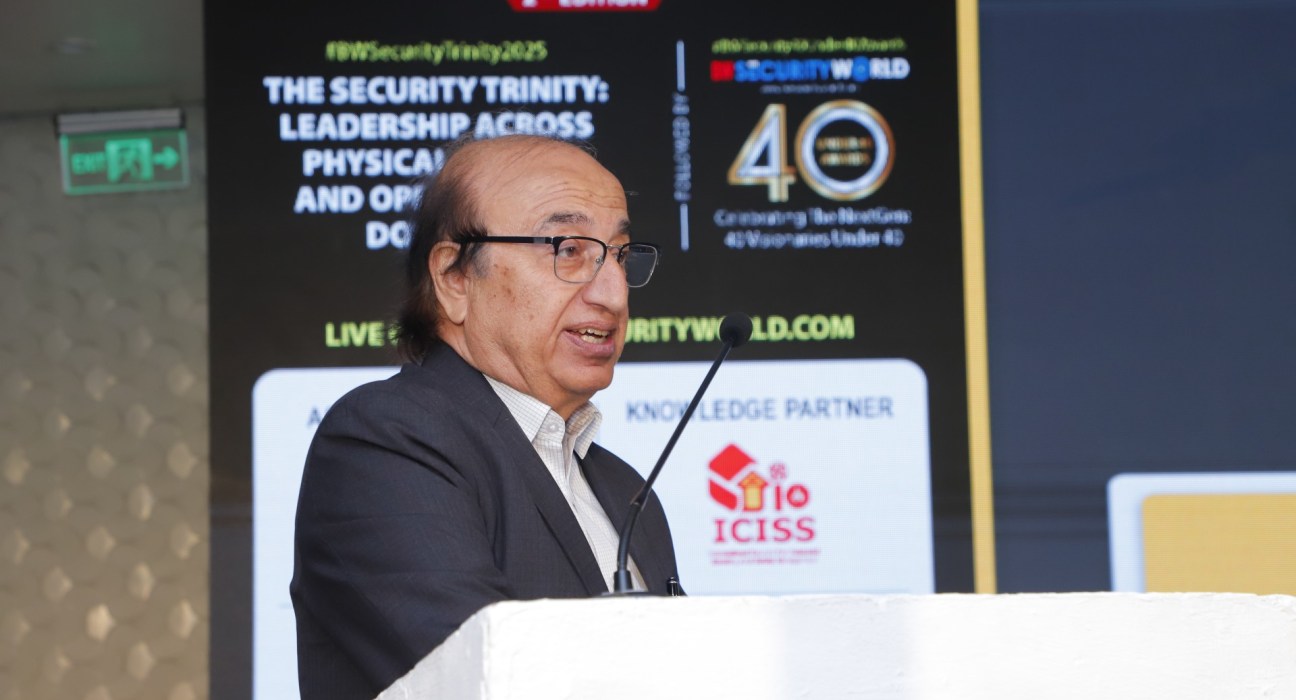
The increasing frequency of crowd-related incidents demands a structured approach to crowd management, incorporating technology, training, and pre-event planning, emphasised Dr (Prof) Harsh Wardhan, Advisor to BW Security World and former Group MD of G4S & CEO of Securitas, at the 2nd Edition of BW Security World 40 Under 40 Awards. Speaking on the topic “Re-analysing Crowd Management”, Wardhan highlighted the critical role private security firms can play in ensuring public safety at large gatherings, from religious events to entertainment venues.
Wardhan stressed that crowd management is not just about crowd control but about strategic planning to prevent incidents before they happen. “In India, where large gatherings are frequent due to religious, political, or entertainment events, crowd management is often reactive rather than proactive. The focus should shift towards structured, technology-backed strategies that ensure smooth movement, safety, and emergency preparedness,” he stated.
Citing examples from international companies that specialise in event security, Wardhan noted that trained security personnel and efficient coordination between law enforcement, event organisers, and private firms can significantly reduce risks.
Challenges In Managing Large Gatherings
Discussing major challenges, Wardhan pointed out that overcrowding, VIP movement, and poor infrastructure planning often lead to dangerous situations. “In many events, security personnel divert attention to VIP movement, disrupting general crowd management. This imbalance needs to be corrected to ensure overall public safety,” he explained.
He also highlighted that exceeding venue capacity is a common issue. “If an area is designed to hold 2 lakh people, allowing 5 lakh attendees will inevitably create chaos. Controlled entry and exit, crowd flow mapping, and real-time monitoring are essential,” he stated.
Role Of Ai & Technology In Security
Wardhan underscored the importance of using AI-powered surveillance, facial recognition, and drone monitoring to enhance crowd security. “Technology can help us anticipate movement patterns, identify potential threats, and deploy resources accordingly. AI integration in crowd management is no longer an option—it is a necessity,” he asserted.
He mentioned that international events like the Olympics and FIFA World Cup rely heavily on private security firms equipped with cutting-edge technology. “India must follow global best practices and implement AI-driven monitoring systems for large-scale events,” he added.
Pre-event Planning & Risk Assessment
Wardhan emphasised that comprehensive risk assessment and structured pre-event planning are crucial. “Understanding crowd behaviour, having contingency plans, and ensuring clear communication channels with attendees can prevent disasters,” he said.
He also stressed the importance of well-trained security personnel. “Deployment of skilled security teams, effective communication strategies, and well-marked emergency exits can drastically reduce the risk of stampedes and security breaches,” he explained.
Wardhan concluded by reiterating the need for a multi-layered security approach. “Effective crowd management combines human expertise, structured planning, and AI-driven technology. Security professionals, government agencies, and event organisers must collaborate to create safer environments for large gatherings,” he stated.