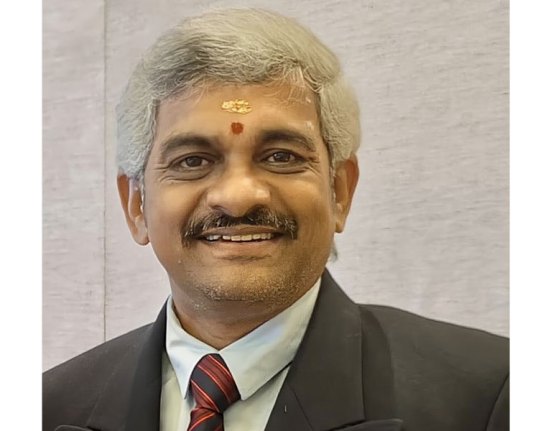
Digitalisation in the power sector has also led to the rollout of smart meters, which currently cover 30 per cent of customers
As India intensifies its efforts to achieve 500 GW of renewable energy capacity by 2030, the focus on digitalisation in the power sector has brought cybersecurity challenges into sharp relief. At the ET Energyworld SmartEnergy Summit 2024, experts highlighted the urgent need for robust governance, advanced technologies, and collaborative strategies to protect critical infrastructure, particularly in power transmission and distribution.
The large-scale integration of solar and wind energy into the grid is a cornerstone of India’s clean energy ambitions, but it also introduces new vulnerabilities. A B Sengupta, Alternate Chief Information Security Officer (Alt-CISO) of GRID-INDIA, spoke about the risks involved in this transition. “As we pursue 500 GW RE capacity, integrating solar and wind with the grid raises cybersecurity concerns, including vulnerabilities in devices, firmware, physical security, and foreign players’ influence on control systems, necessitating robust safeguards,” he noted.
To tackle these challenges, efforts are underway to build cybersecurity capabilities. Doman Yadav, Executive Director and Chief Information Security Officer (CISO) of Power Grid Corporation of India Ltd., announced a significant initiative aimed at strengthening defences. “We are setting up a Centre of Excellence with IISc Bangalore to address and mitigate cybersecurity challenges in transmission systems,” he said.
Coordination among key stakeholders has also been prioritised to enhance security readiness. Sengupta shared, “We have implemented a Cybersecurity Coordination Forum, integrating regional and central forums to strengthen coordination with all SLDCs.”
Digitalisation in the power sector has also led to the rollout of smart meters, which currently cover 30 per cent of customers. While this is a critical step in technology adoption, it introduces additional risks that require careful management. Tarun Batra, Head of Digital & Information Technology at Tata Power Delhi Distribution Ltd., stressed the importance of vigilance. “We have installed smart meters covering 30 per cent of our customers, a key step in smart technology adoption. However, advancing further brings cybersecurity challenges, making robust governance and 24×7 monitoring critical to safeguarding data flow, protecting networks, and ensuring operational security,” he explained.
The panel also called for a forward-looking approach to policy. Bhupesh Janoti, Senior Consultant at the Data Security Council of India, emphasised the need for a comprehensive cybersecurity framework. “The government should develop a futuristic cybersecurity policy with a vision to safeguard critical sectors like energy, health, and power, incorporating AI, ML, and advanced technologies to address evolving threats and ensure resilience,” Janoti said.
As the energy sector becomes increasingly digitalised, the need for proactive measures to mitigate cybersecurity risks has never been more pressing. Initiatives like the Centre of Excellence, cybersecurity coordination forums, and advanced monitoring systems mark significant progress. However, addressing vulnerabilities in renewable energy integration and ensuring resilience against external threats will remain key priorities as India accelerates its clean energy transition.
Experts agreed that a combination of advanced technologies, strong governance frameworks, and industry collaboration will be essential to securing India’s power sector while scaling up renewable energy and smart grid systems. The road ahead will demand constant vigilance, innovation, and coordinated efforts to achieve a sustainable and secure energy future.