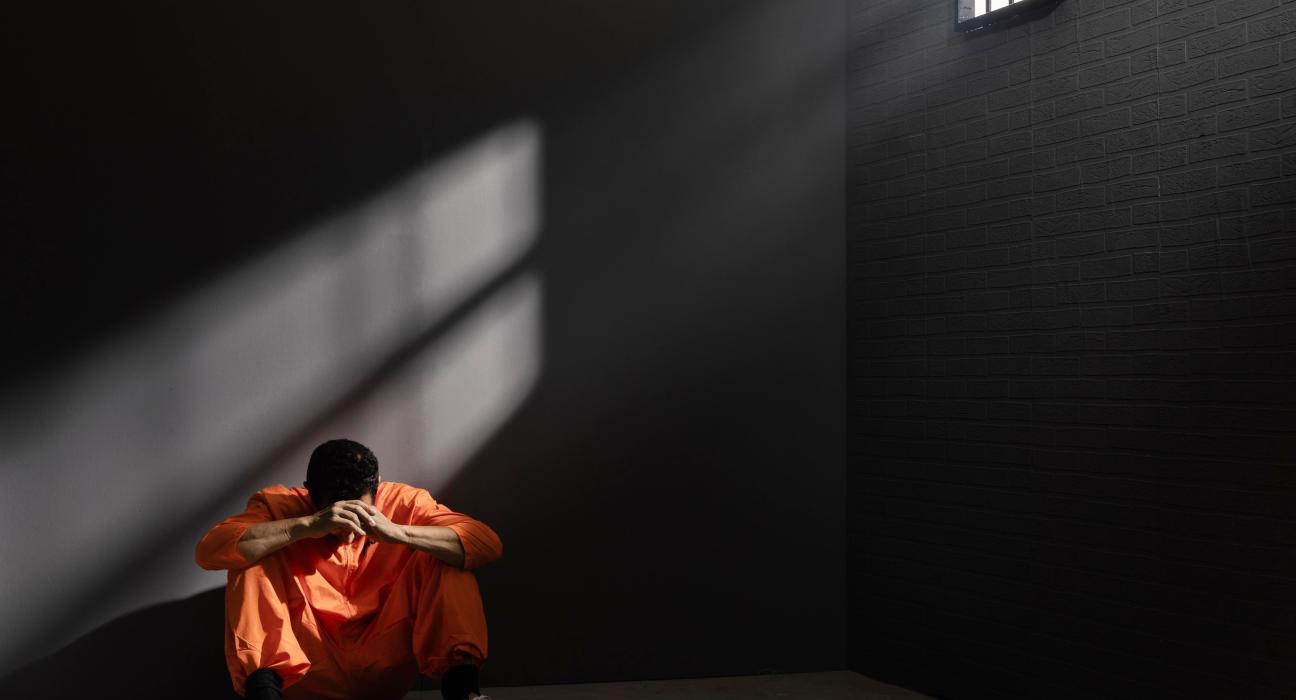
The high-security prison is being conceptualised in response to a growing need to securely house hardcore offenders, following repeated incidents of violence, murder conspiracies, and seizure of mobile phones and drugs from existing jails in the city
The Delhi government’s Public Works Department (PWD) has begun groundwork for the Capital’s first-ever high-security prison (HSP), which is set to come up in Tikri Khurd village in Narela. Slated for completion by 2026, the facility is designed to house up to 256 high-risk inmates in strict isolation, with the aim of preventing communication and curbing the smuggling of contraband.
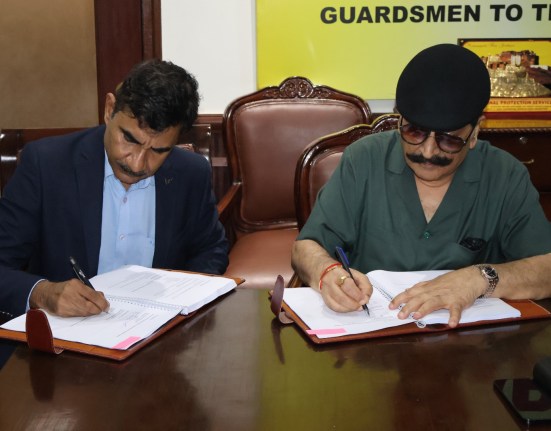
Spanning across 40.2 acres allotted to the prisons department, the project will be developed at an estimated cost of ₹100 crore, fully funded by the central government. According to officials involved in the project, Rs 10 crore was transferred in February 2024, and the tendering process has already been completed.
The high-security prison is being conceptualised in response to a growing need to securely house hardcore offenders, following repeated incidents of violence, murder conspiracies, and seizure of mobile phones and drugs from existing jails in the city.
A senior official from the Delhi government’s home department, speaking on the condition of anonymity, said, “The complex will have 20-metre-high boundary walls to prevent any outside attempt to smuggle items in. We have intelligence that associates of inmates throw prohibited items like phones, razors, and drugs over prison walls. These high walls, along with security nets, will block such attempts.”
Unlike traditional facilities, the new prison will feature a starfish-shaped design, with four arms of cells extending from a central watch tower. Each arm will house two floors of cells (ground plus one), while the central watch tower will be three storeys high. Officials explained that the layout has been designed to eliminate visual contact between inmates, and allow guards to monitor multiple areas from a single elevated point.
“For this technical reason, communication between the prisoners will be impossible, and effective surveillance on a large number of inmates will be possible even with fewer guards,” a senior Tihar Jail officer noted. “This design also significantly reduces the chances of contraband being passed from one inmate to another.”
Each cell will measure 15 feet by 8 feet and will be equipped with specially designed heavy iron grills and automated lock systems that work only through staff biometrics. Selected cells will include attached toilets to accommodate prisoners with physical disabilities.
The complex is set to feature a host of modern facilities, including a full-fledged administrative block and residential accommodation for jail staff such as superintendents and jailors. A dedicated hospital within the prison will provide medical care and mental health services, including psychiatric and psychological counselling.
Another significant addition is the on-site court complex, which will house rooms for judges and advocates, along with a waiting lounge. Videoconferencing rooms will enable virtual hearings, connected to external courts via a high-speed, dedicated internet line. The entire facility will be supported by a stable power supply and backup systems.
Speaking about the prison’s infrastructure, an officer added, “Since the cells will be constructed with reinforced cement concrete, it will not be possible for inmates to conceal objects within the walls. The use of biometric-accessed automated locks will eliminate the dependency on padlocks and increase security.”
The upcoming prison is being seen as a strategic move to not only segregate high-risk individuals from the general prison population but also to serve as a deterrent against violations of prison rules. Once operational, it will mark a new chapter in how Delhi handles its most dangerous inmates, combining security, surveillance, and technology in a singularly robust facility.