Participants also explored the possibility of synchronising vehicle security systems—such as automatic number plate recognition and FASTag—with airport surveillance infrastructure
Airport security in India may soon undergo a technological overhaul as authorities consider integrating facial recognition with CCTV feeds to improve staff verification and streamline passenger checks. The move is aimed at reducing queues and enhancing efficiency at the country’s airports, officials said following a recent high-level meeting.
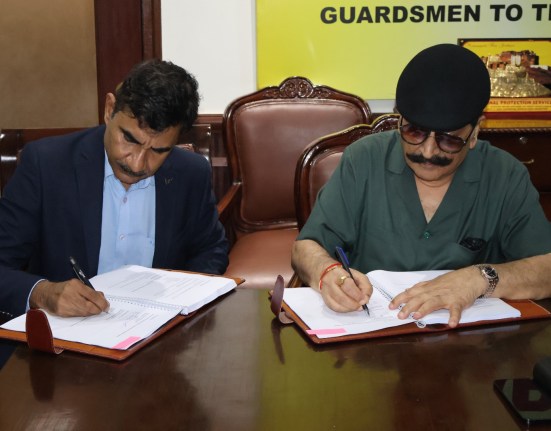
The proposals were discussed at a functional workshop organised by the Central Industrial Security Force (CISF) in New Delhi on 27 June. The CISF, which oversees security at 69 airports across India, brought together senior representatives from the Ministry of Civil Aviation, the Directorate General of Civil Aviation, the Bureau of Civil Aviation Security, the Airports Authority of India, the Bureau of Immigration, Delhi International Airport Ltd, and other key stakeholders including Delhi Police, the Special Protection Group, and major airlines.
According to a CISF spokesperson, the workshop focused on making airport security “not just stronger, but also more efficient and passenger-friendly”. A major highlight of the discussions was the plan to merge biometric entry passes for airport staff with facial recognition and CCTV systems. These passes, currently issued by the Bureau of Civil Aviation Security, are mandatory for all personnel working in secured airport areas. Officials believe that integrating these systems will ease congestion at entry points, particularly at airports where staff and passengers use the same access gates.
Participants also explored the possibility of synchronising vehicle security systems—such as automatic number plate recognition and FASTag—with airport surveillance infrastructure. The goal is to facilitate smoother entry for authorised vehicles while maintaining high levels of security. Digitised standard operating procedures are expected to lead to faster responses in case of any security concerns.
Another key agenda was the introduction of uniform training protocols for all airport personnel, including airline staff, to ensure consistent standards across the sector. Joint security drills and regular procedural reviews were proposed to improve coordination and reduce confusion for passengers.
In an effort to meet growing demands in aviation, the authorities discussed expanding aviation security training institutes to smaller cities. This would help build capacity while ensuring that evolving threats are met with trained personnel across India’s increasingly busy airports.
Security protocols for VIPs were also reviewed, with a focus on implementing layered protection strategies. These would involve advanced anti-drone systems and robot-assisted “insider threat” detection, aimed at balancing the safety of high-profile travellers with minimal disruption to general airport operations.
Officials also examined the potential role of artificial intelligence in security data analysis, with an emphasis on anticipating threats before they materialise. By leveraging AI, they aim to streamline security checks without compromising safety. Improving passenger grievance redressal systems was also highlighted, with stakeholders stressing the need to manage customer expectations alongside stringent security protocols.