The debate over age assurance continues to evolve
Biometric testing, fraud protection and digital identity are coming under sharper scrutiny worldwide as governments, technology companies and regulators confront the growing complexity of cybercrime, age verification and data-sharing rules.
This week, German testing body TÜVIT awarded BioID a pioneering evaluation for presentation attack detection, marking what industry observers say is a step forward in tackling increasingly sophisticated threats such as deepfakes and face morphs. Other providers, including Paravision and iBeta, have also reported new testing milestones, suggesting a trend towards more rigorous fraud resilience assessments.
The debate over age assurance continues to evolve. Google has begun restricting access to search results using machine learning-based age estimation, with verification required when confidence levels fall below thresholds – a method already deployed on YouTube. In the UK, attempts to enforce online safety laws have fuelled a surge in VPN usage, while in India, officials are exploring a different approach that may avoid some of the pitfalls seen in other markets.
At the policy level, tensions are surfacing in international negotiations. The US is pressing for concessions in the EU’s Digital Services Act to benefit its technology firms, a move critics say could affect Europe’s age assurance market. Meanwhile, the US Treasury has invited comment on digital identity as part of its anti-money laundering strategy, and the Department of Homeland Security has shifted oversight of the Office of Biometric Information Management in a reorganisation that could place it under Customs and Border Protection.
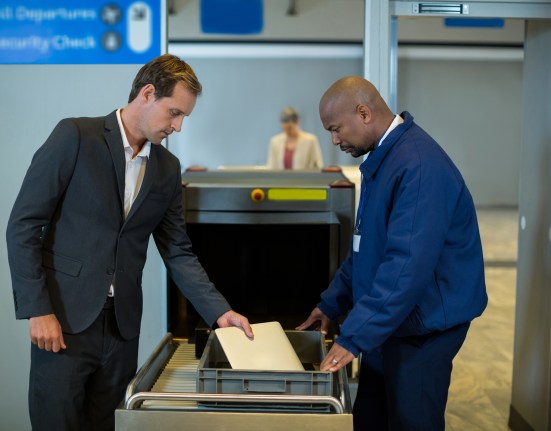
Private sector activity remains strong. Incode has announced a merger with AuthenticID to strengthen fraud defences against AI-driven attacks. In Singapore, a new immigration centre is deploying iris and facial biometrics from multiple providers to streamline services. In the US, the Transportation Security Administration is trialling automated face biometric gates with Clear to manage growing passenger volumes ahead of the FIFA World Cup.
In the UK, live facial recognition returned to the Notting Hill Carnival, though critics argue that public debate has been hampered by limited case-specific evidence. Meanwhile, the US National Institute of Standards and Technology has published new guidance on detecting face morphing attacks, underscoring the ongoing technical race between fraudsters and verification providers.
Across Asia, Sri Lanka is weighing whether to develop a domestic biometric hardware industry, pointing to widespread adoption of scanners in neighbouring markets as an indicator of future demand.