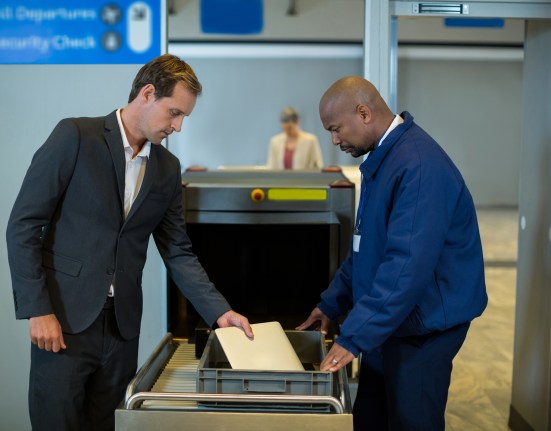
Expressing concerns about privacy, surveillance, and data security, the IFF emphasised that the collection, processing, and storage of sensitive facial data of both adults and children without explicit consent violates their right to privacy
Indian Railways’ proposal to introduce facial recognition-enabled CCTV cameras inside train coaches nationwide has sparked privacy concerns, according to the digital rights organisation, Internet Freedom Foundation (IFF).
The Centre for Railway Information Systems, a branch of the Ministry of Railways, has issued a tender inviting technology providers to install facial recognition-enabled CCTV cameras in train coaches across India. These cameras would utilise face-cropping tools and face-matching servers to monitor and identify individuals with the aim of reducing crime.
“Introducing such a system raises several privacy concerns for individuals, which may not be addressed even with the enactment of data protection legislation,” stated the IFF.
The plan, as outlined by IFF, fails to meet the standards set by the Supreme Court’s Puttaswamy test, lacks legal safeguards against potential misuse of facial data, and may not effectively achieve its intended purpose while burdening authorities with additional resources.
The tender calls for the installation of a total of 330,000 facial recognition-enabled CCTV cameras inside 44,038 train coaches across India. These cameras will be distributed as follows: 38,255 coaches with 8 cameras each, 2,744 coaches with 5 cameras, 2,079 coaches with 4 cameras, and 960 coaches with 6 cameras. Notably, the Central Railways division will see 3,018 coaches under CCTV surveillance, Western Railways 3,408 coaches, and East Central Railways 2,533 coaches.
“These CCTV surveillance systems will be equipped with video analytics and facial recognition technology, with an additional 4 cameras to be installed at exit and entry points of the train. The face image cropping tool embedded within these cameras will identify passengers from live feeds and send metadata to a central face matching server in real-time,” explained the IFF.
Expressing concerns about privacy, surveillance, and data security, the IFF emphasised that the collection, processing, and storage of sensitive facial data of both adults and children without explicit consent violates their right to privacy. This, they argue, affects not only passengers but also various individuals such as local vendors, railway staff, and sanitation workers who frequently interact with trains.
The IFF has communicated their concerns to both the Centre for Railway Information System and the Ministry of Railways.