The UIDAI has launched a major innovation scheme, SITAA, to leverage indigenous tech talent against sophisticated digital identity threats
The Unique Identification Authority of India (UIDAI), the agency responsible for the vast Aadhaar digital identity ecosystem, has launched a new initiative to fortify the system against emerging security threats, most notably deepfakes, spoofing, and presentation attacks.
The programme, named the Scheme for Innovation and Technology Association with Aadhaar (SITAA), officially opened applications this week, setting a deadline of November 15 for submissions. It represents a significant strategic step to integrate India’s burgeoning start-up and academic expertise into its critical national digital infrastructure.
UIDAI officials stated that the scheme is designed to co-develop secure, scalable, and globally benchmarked solutions, directly supporting the government’s vision of Atmanirbhar Bharat (self-reliant India) by encouraging indigenous innovation.
The Tripartite Challenge: Securing Authentication
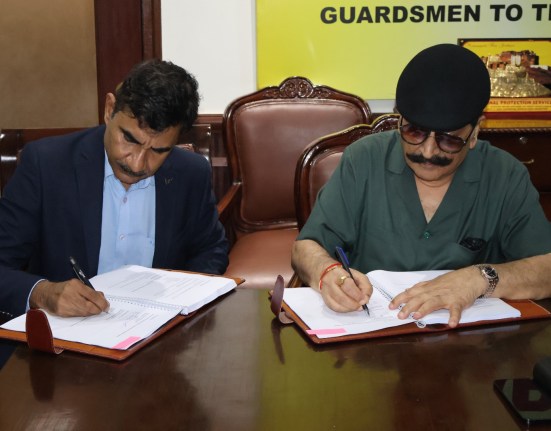
To give the initiative collaborative reach, the UIDAI has partnered with the MeitY Startup Hub (MSH) and NASSCOM, which will provide technical mentoring, incubation support, and global industry linkages.
The SITAA pilot phase targets three specific, critical security weaknesses in Aadhaar authentication:
Face Liveness Detection: This challenge invites start-ups to develop sophisticated Software Development Kits (SDKs) for both passive and active face liveness detection. The solutions must be robust enough to seamlessly prevent spoofing using photographs, videos, masks, morphs, and deepfakes, while working across diverse demographics and devices.
Presentation Attack Detection (PAD): Aimed primarily at academic and research institutions, this area seeks advanced PAD solutions that use AI/ML to detect physical and digital attempts to fool biometric readers, including the use of prints, masks, and morphs. The requirement specifies solutions must be privacy-compliant and scalable for real-time operation.
Contactless Fingerprint Authentication: Focusing on accessibility and cost-efficiency, this challenge seeks SDKs that enable reliable fingerprint authentication using standard smartphone cameras or other low-cost imaging devices. The goal is to ensure high-quality, secure image capture compatible with the existing Aadhaar ecosystem.
Building a Future-Ready, Trusted Platform
SITAA is envisioned as a catalyst for cutting-edge innovation, aiming to build a future-ready authentication framework capable of withstanding the rapid evolution of digital security threats.
By creating a formal platform for collaboration between government, industry, and academia, the UIDAI is reinforcing national goals: building a secure and trusted digital public infrastructure, reducing dependency on foreign technologies, and ultimately enhancing citizen trust in the array of services enabled by Aadhaar.
Startups, researchers, and industry partners can access detailed challenge guidelines and submit applications through the MSH portal.