The IRSOC is expected to strengthen the digital defence of Indian Railways by significantly enhancing its ability to monitor and respond to cyber threats
The Ministry of Railways, through its IT arm, the Centre for Railway Information Systems (CRIS), has launched two key initiatives aimed at bolstering the cybersecurity and operational intelligence of Indian Railways. Marking its 40th Foundation Day, CRIS announced the establishment of an integrated Security Operations Centre (IRSOC) and the development of an enterprise-wide analytics platform.
The IRSOC is expected to strengthen the digital defence of Indian Railways by significantly enhancing its ability to monitor and respond to cyber threats. According to CRIS, the centre will deploy advanced security technologies such as Security Information and Event Management (SIEM), Security Orchestration Automation and Response (SOAR), Endpoint Detection and Response (EDR), and Network Detection and Response (NDR). These tools are aimed at reducing both the Mean Time to Detect (MTTD) and Mean Time to Respond (MTTR) to cyber incidents.
In parallel, CRIS is building an analytics framework that will consolidate data from a range of applications into a single Artificial Intelligence and Machine Learning-enabled decision support system. This initiative follows the Railways’ ongoing efforts to apply AI/ML in various operational areas, which have so far led to fragmented and siloed implementations. The new framework is intended to unify these applications and accelerate digital transformation across the organisation.
The data-driven platform will draw on descriptive, diagnostic, predictive, prescriptive and cognitive analytics to improve areas such as operational efficiency, asset management, safety, and passenger services. Indian Railways is also aiming to use the platform to boost freight and passenger revenue, increase its market share, and drive profitability. In addition, the system will support efforts to enhance passenger safety and monitor the performance of railway assets and inventory levels.
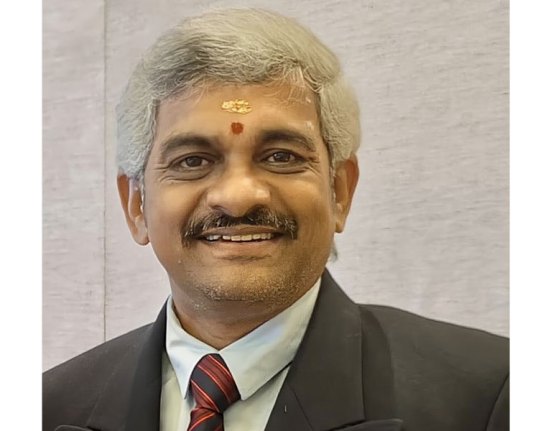
To further guide its digital transformation, the Ministry has sought the expertise of Vinod Dham, a veteran technologist often referred to as the “Father of the Pentium Chip.” Dham has recommended the adoption of blockchain technologies for managing contracts and freight movement, which could provide tamper-proof tracking of cargo. He has also suggested implementing dynamic, data-driven pricing models for passengers and freight, similar to those used by airlines. These would help optimise seat occupancy, encourage off-peak travel, and enable flexible pricing strategies.