Traditional security solutions relying on cameras and radar have faced challenges in effectively detecting and tracking intruders, often resulting in numerous false alerts, heightened operating costs, and alarm fatigue
Global technology intelligence firm ABI Research has forecasted that the worldwide market for physical security using LiDAR sensors is set to soar in the coming years, surpassing 3 million installations by 2030. This prediction comes as enhancing physical security, particularly perimeter intrusion detection (PID), becomes increasingly crucial for safeguarding critical infrastructure sites such as airports, data centers, warehouses, and utilities from a range of threats including theft, protests, sabotage, terrorism, and war.
In its latest whitepaper titled “Quanergy 3D LiDAR Solutions Redefining the Physical Security of Critical Infrastructure,” ABI Research highlights the growing significance of LiDAR technology in revolutionizing security measures. The report projects that the yearly revenue opportunity in this sector will exceed a substantial US$6 billion by the year 2030.
Dominique Bonte, Vice President of End Markets at ABI Research, emphasized the pivotal role of PID in controlling access for both individuals and vehicles into secured areas and preventing unauthorized objects from breaching perimeter boundaries. Bonte noted that physical breaches often precede cyberattacks, underscoring the critical importance of effective intrusion detection systems in combating cyber threats.
Traditional security solutions relying on cameras and radar have faced challenges in effectively detecting and tracking intruders, often resulting in numerous false alerts, heightened operating costs, and alarm fatigue. These legacy technologies, operating in two-dimensional (2D), struggle with accuracy, particularly in low light and adverse weather conditions, leading to missed events, increased liabilities, and high ownership costs.
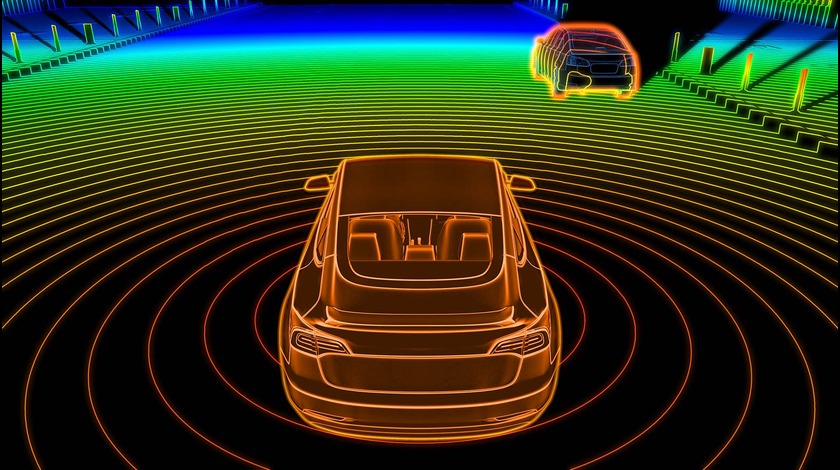
Bonte highlighted the advantages of three-dimensional (3D) LiDAR technology, which offers robust, reliable, and high-precision detection and tracking capabilities through mesh architecture. This innovative approach promises a lower total cost of ownership (TCO) compared to traditional methods, enabling security personnel and critical infrastructure operators to enhance effectiveness while reducing reliance on costly manned guard services.
The transition towards LiDAR-based security solutions represents a significant advancement in the field of physical security, offering improved accuracy, reliability, and cost-effectiveness in safeguarding critical infrastructure against evolving threats.