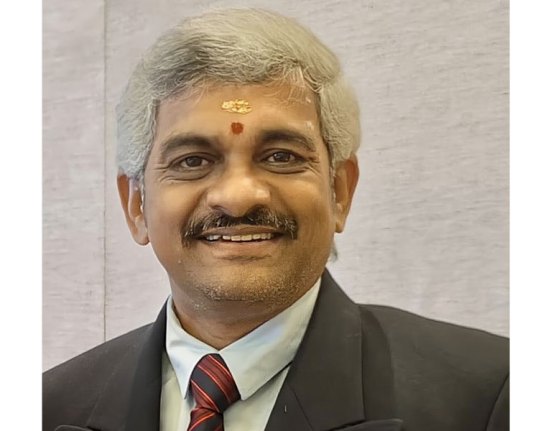
The Prime Minister cautioned that “digital arrest fraud” affects people of all backgrounds and ages, emphasising that everyone should be aware and cautious
In the 115th episode of his monthly radio programme, *Mann Ki Baat*, on Sunday, 27 October, Prime Minister Narendra Modi raised concerns over a rising threat termed “digital arrest fraud.” Addressing citizens, he shared an audio-visual clip in which a man impersonating a police officer requested an Aadhaar number from a victim under the pretext of blocking a mobile number.
Describing this alarming scam, PM Modi said, “This audio is not just for information, this is not an entertainment audio… It has emerged with a deep concern. The conversation you just heard pertains to the fraud of Digital Arrest. This conversation is between a victim and a fraudster.” He explained how fraudsters pose as officials from law enforcement, investigative bodies, or even financial institutions to deceive their targets. “They impersonate officers from the police, CBI, Narcotics, and at times, even the RBI. These fake officers speak with a lot of confidence,” Modi added.
Three Stages Of Digital Arrest Fraud
In his address, PM Modi highlighted the strategy these fraudsters use to trap individuals, breaking it down into three main stages:
1. Data Gathering : Scammers first gather personal information about the target. This may include details of recent travel, family members, or any other personal information that might make their impersonation more believable. “They know enough about you that it surprises you,” he said.
2. Creating Fear : In the second stage, scammers work to create a sense of fear and urgency. They often use visual cues such as uniforms or official setups, and refer to legal sections to intimidate the victim. According to the Prime Minister, the scammer’s goal is to make the victim too frightened to think rationally.
3. Imposing Time Pressure : Finally, they pressure the target to act immediately. “They tell you, ‘You have to decide now or else you will be arrested,’ creating psychological pressure to make people comply,” PM Modi explained.
Steps For Digital Security
The Prime Minister laid out three key steps for citizens to follow to guard against digital fraud. These steps, he said, are: ‘Stop – Think – Take Action.’
– STOP : At the first sign of a suspicious call, stop and stay calm. Avoid panicking or acting hastily. Take a screenshot or record details of the interaction, if possible.
– THINK : “No government agency threatens you on the phone like this, nor demands money on a video call,” Modi reminded. If a call seems intimidating or strange, he urged citizens to trust their instincts that something might be wrong.
– TAKE ACTION : PM Modi advised reporting any such calls immediately. “Dial the national cyber helpline 1930, report on cybercrime.gov.in, inform family and police, and preserve evidence. ‘Stop’, then ‘Think’, and then ‘Take Action’. These three steps will become the protector of your digital security,” he said.
Warning To All
The Prime Minister cautioned that “digital arrest fraud” affects people of all backgrounds and ages, emphasising that everyone should be aware and cautious. He noted, “It is very important for you to understand this and it is equally important for others to understand it as well.”
Finally, PM Modi clarified that there is no provision for “digital arrest” in Indian law. “This is just fraud, deceit; it is a lie and a gang of criminals. Those who do this are enemies of society,” he stated.
The Prime Minister’s message serves as an important reminder of the growing threat of digital scams and the necessity of staying vigilant against cybercrime.