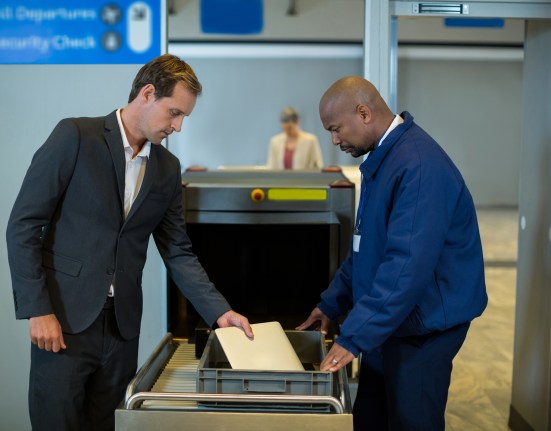
Despite the broader responsibilities, many security teams are still working with spreadsheets, shared inboxes and paper forms – tools ill-suited for real-time collaboration
Two decades ago, the role of a security operator largely revolved around monitoring video feeds, unlocking doors, and responding to alarms. Today, their remit has expanded well beyond surveillance. Increasingly, operators are embedded in the heart of organisational operations, involved in crisis planning, employee safety, and business continuity.
Analysts and industry figures describe the shift as more than an evolution of the job description. It represents a fundamental transformation in how security departments contribute to the strategic goals of organisations.
Breaking away from outdated tools
Despite the broader responsibilities, many security teams are still working with spreadsheets, shared inboxes and paper forms – tools ill-suited for real-time collaboration. Disconnected systems can turn even basic tasks, such as circulating an incident report or coordinating an event, into time-consuming processes that risk errors or omissions.
Other sectors, from logistics to manufacturing, have already embraced integrated work management tools to streamline communication and align operations. Security professionals are now beginning to follow suit. Kanban-style systems, which balance team autonomy with central visibility, are emerging as effective ways to coordinate across departments while reducing administrative overhead.
A campus case study
Brigham Young University (BYU) in Utah illustrates how this shift is taking shape. The university spans a 560-acre campus and is home to 34,000 students, supported by 25 sworn officers, 15 supervisors and up to 400 student employees.
Seeking greater efficiency, BYU integrated Genetec Operations Center with its existing security platform. The move allowed teams to consolidate tasks such as dispatching, work ticketing and activity tracking into a single system, replacing the patchwork of manual processes.
Routine tasks – including building audits, code checks and equipment inspections – are now scheduled automatically, easing dispatcher workloads and ensuring consistency. A mobile app provides officers with real-time updates in the field, enhancing situational awareness and compliance with procedures.
The system’s flexibility also allows workflows to be tailored to departmental needs, from tracking officer locations to managing inventory and generating reports. According to university officials, the changes have improved communication across shifts and departments while tightening data security.
The human factor
Technology alone, however, does not guarantee success. The way new systems are introduced – often through gradual pilots refined with real-world feedback – is crucial. Vendors can play a role by offering templates and best practices gathered from other deployments, easing adoption.
Change can create friction, but, handled well, it builds confidence. Security experts say empowering staff with training, clear communication and a voice in the process is essential if they are to take on their new strategic role.
From monitors to decision-makers
As responsibilities expand, security operators are no longer seen as reactive guardians but as contributors to resilience and decision-making across organisations. With the right systems and support, they are becoming central to safeguarding not just people and assets, but also the continuity of operations themselves.