Prediction, however, relies on deep data collection – presence in each room, behavioural timestamps, even biometric cues
At 6am, the hallway lights glow softly to 35 per cent, just enough to guide the way without glare. The coffee machine starts, the thermostat nudges warmer, and the security system silently shifts from sleep mode. No keypad, no app – the system simply knows the routine.
This imagined scene is less science fiction than near-future reality. Analysts and industry insiders say the “AI Home” – a layer of cloud intelligence sitting over appliances, cameras and sensors – is edging towards the mainstream. Unlike the gadget-driven smart homes of the past decade, this new generation promises autonomy: learning household patterns, anticipating needs, and intervening before problems escalate.
Prediction over protection
For decades, domestic security was built on detection: alarms sounded after a break-in. The AI Home model offers pre-emption. By mapping daily routines – school runs, deliveries, evening gatherings – the system learns intent. If a door opens at an unusual hour or movement breaks with household rhythm, the response may be a discreet push notification, a gentle chime, or, in serious cases, an alert passed to a monitoring station complete with context.
Industry experts suggest this shift could transform expectations. Homeowners may soon assume predictive care as standard, much as GPS is now expected in smartphones.
Privacy by design
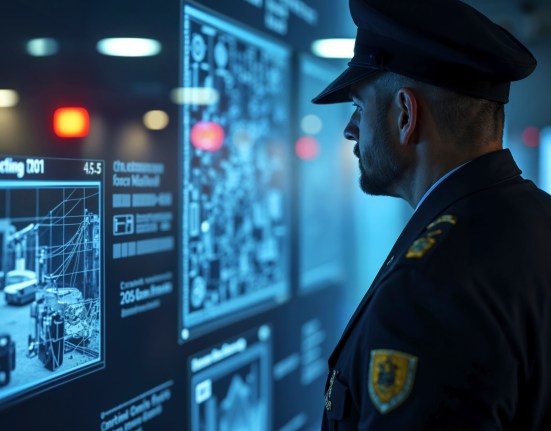
Prediction, however, relies on deep data collection – presence in each room, behavioural timestamps, even biometric cues. That raises questions over trust. Companies developing AI home platforms are being urged to embed privacy into the core of their designs. On-device processing for sensitive functions such as facial recognition, and transparent dashboards showing who accessed which clips, are among approaches gaining traction. Transparency, analysts argue, must become a feature, not fine print.
Changing role for monitoring centres
As AI filters out routine “noise”, traditional monitoring centres may also see their roles evolve. Instead of fielding countless generic alerts, operators could handle fewer but richer incidents, informed by video snippets, risk scores and occupancy data. A call might begin: “We see one unknown adult at the back door – were you expecting a landscaper?” rather than the cryptic “Zone three triggered”.
For dealers and service providers, the opportunity lies less in hardware margins and more in fine-tuning intelligence. Some are already considering subscription models for ongoing “AI care” – quarterly scene audits, model retraining, and plain-language usage insights.
From reactive to reassuring
The prospect of a system that not only reacts but reassures is drawing attention from both consumers and professionals. Water leaks detected and stopped before damage spreads, power anomalies flagged in household appliances, or air circulation adjusted automatically for visiting guests are among scenarios being tested.
For the industry, the task now is to move beyond novelty. Analysts say providers who can demonstrate trust, clear communication, and meaningful prediction will define the next phase of the smart home. The AI Home, once a luxury showroom demo, is on course to become an everyday expectation.