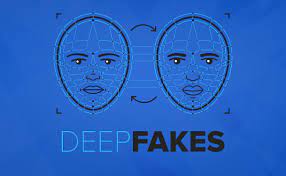
Marketers are increasingly using the technology of deepfakes to push the boundaries that define customer engagement and story-telling
Deepfakes and synthetic media are rapidly evolving into effective tools for content generation in the era of modern technology. These technologies have the potential to completely transform marketing techniques since they can provide incredibly realistic images, videos, and audio. But their ascent raises serious ethical questions, especially in relation to privacy invasion, deceit, and public impression manipulation. It is essential for marketers to comprehend the ramifications of these instruments in order to guarantee ethical and acceptable operations.
What Are Deepfakes And Synthetic Media?
Deepfakes are hyper-realistic images or videos created by the machine learning and artificial intelligence (AI) algorithms. They might create the impression of a person saying or doing things that he hasn’t actually said or done by manipulating the audio and visual content. Artificially generated content based on synthetic media includes Avatars, speech simulations, and computer-generated imagery that creates realistic models of people, objects, or even settings.
Although deepfakes were once known to produce malicious or manipulative content, such as fake videos of celebrities or political scandals, they have already entered the commercial world and are opening doors for new avenues in advertising campaigns. Synthetic media is soon becoming an essential tool in marketers’ arsenals who want to connect their audience in new and innovative ways, from AI-generated demonstrations of products to virtual influencers and targeted advertisements.
How AI & Deepfakes are Redefining Consumer Engagement?
Marketers are increasingly using the technology of deepfakes to push the boundaries that define customer engagement and story-telling. Branded AI-generated content enables highly personalized advertising in which customers see themselves in commercials or interact with content which is designed according to one’s interests. Companies, such as Nike and Coca-Cola, have already tested ads that include interactive elements along with user-specific dynamic material, driven by AI algorithms.
Additionally, marketers can use synthetic media to create brand avatars or virtual spokespersons. As marketers use their popularity for targeted marketing, virtual influencers like Lil Miquela—a computer-generated social media celebrity with millions of followers—are becoming more and more famous. Because they are simple to manage, these artificial influencers give marketers a degree of consistency and adaptability that human influencers are unable to provide.
Ethical & Privacy Concerns Of Deepfake Tech
While the possibilities for marketers are very exciting, the usage of deepfakes and synthetic media carries major ethical concerns. Perhaps the biggest one is the possibility of deception. It can get really difficult to differentiate between genuine and fake information because of deepfake technology. It would end up producing misleading advertisements or videos that make the consumers perceive they are watching real testimonials or endorsements. A deepfake of a celebrity endorsing a product, for example, could manipulate buyers into making judgments on wrong information.
When it comes to privacy, ethical concerns are much more obvious. There are issues around exploitation and consent when deepfake technology is used to produce artificial representations of real persons without their permission. Unauthorized use of AI by a brand to construct a virtual spokesperson based on a celebrity’s picture could violate that person’s image rights and lead to legal problems.Deepfakes can also be used to disseminate false information. In the context of marketing, this could entail influencing public opinion by disseminating false information or editing video of incidents in order to improve a brand’s reputation or cause a problem for a rival. The capacity to mass produce fake narratives threatens consumer confidence and might have serious repercussions for companies that use them.
Legal & Regulatory Roadblocks
The legal framework of deepfakes and synthetic media is currently under evolution. Most countries have initiated laws that criminalize the creation and distribution of malicious deepfake content, especially in areas like politics and pornography. The application of such laws to the business and marketing sectors is still in its infancy.
As marketers continue to explore the possibilities of synthetic media, it will be important for companies to stay informed about evolving regulations. Businesses also need to create clear internal policies that guarantee the ethical use of AI-generated content and obtain explicit consent when using people’s likenesses or voices for synthetic media.
Fostering Responsible Innovation
Although advanced technologies like deepfakes and synthetic media are essential, marketers should exercise caution and make sure they are utilizing these tools in an ethical and responsible manner. Transparency will be crucial to maintaining brand integrity, and consumer trust should always come first. Deceptive practices should be avoided at all costs, and marketers should use synthetic media to enhance consumer experiences in authentic and transparent ways.
For example, artificial content can be used for a hyper-personalized ad which indeed gives value to the consumers. Instead of trying to dupe or manipulate the masses, brands can harness this synthetic media in a responsible manner by ensuring the same has been done under correct consent and being honest that they are using a virtual influencer or a digital avatar.
– Authored by Delphin Varghese, Co-founder & Chief Revenue Officer, AdCounty Media