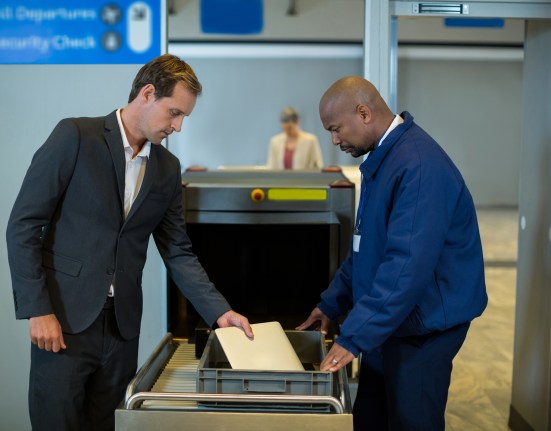
The new system represents a broader shift inside DHS towards integrating biometric checks into frontline operations, similar to facial-comparison tools used by Customs and Border Protection
The US Transportation Security Administration has introduced a new technology-based identity-verification system for airline passengers who arrive at airport checkpoints without a REAL ID-compliant licence or other accepted credential. The policy, published quietly in the Federal Register, marks the first formal process for handling non-compliant travellers since REAL ID enforcement began on 7 May.
Under the new scheme, passengers who cannot present an acceptable form of identification will be able to pay an $18 non-refundable fee to undergo TSA’s “Modernized Alternative Identity Verification” procedure. The system replaces the agency’s long-standing manual method, which relied on call centres, paper forms and subjective, inconsistent secondary screening.
According to the notice, the process will use kiosks or other electronic systems to collect biographic details or biometric data and match them against TSA’s Secure Flight watchlist. If a traveller can be verified, they may continue to the sterile area of the airport. Clearance will remain valid for up to ten days.
TSA stresses that the system does not guarantee access to the checkpoint. Passengers who choose not to participate, or whose identity cannot be verified, may be barred from entering the secure area. Those who use the system may face delays or additional screening.
The agency has classified the new mechanism as a form of “registered traveller programme”, allowing it to charge a cost-recovery fee without seeking new funding from Congress. TSA cites existing statutory authority under the Aviation and Transportation Security Act and the 2006 DHS Appropriations Act to justify the fee.
Officials say the charge is necessary to pay for new equipment, software and staffing. “The current alternative identity verification process is time and resource intensive,” the notice states, arguing that the modernised version will enable TSA to handle more non-compliant passengers without disrupting routine screening.
The move comes after years of delays to REAL ID enforcement, with DHS insisting the latest deadline will not shift. The agency has spent much of 2025 urging passengers to obtain REAL ID-compliant licences or use passports and other accepted credentials. Until now, however, it had offered only vague descriptions of what would happen to travellers who arrived unprepared.
The new system represents a broader shift inside DHS towards integrating biometric checks into frontline operations, similar to facial-comparison tools used by Customs and Border Protection. But, unlike those systems, TSA’s approach is designed to compensate for documentation gaps rather than streamline travel.
The announcement has sparked early questions from privacy advocates and consumer groups, who warn that biometric collection at moments of traveller stress could raise civil-liberty concerns. Others may view the fee as effectively monetising a federal identification requirement.
State officials are also likely to seek clarity on how the programme aligns with REAL ID outreach, especially in states where motor-vehicle backlogs have left many residents without compliant identification.
The system will take effect once TSA announces its operational launch online. Until then, the agency faces the challenge of enforcing REAL ID rules while accommodating the millions of Americans who still do not hold compliant documents.