Bipartisan bill seeks to reinvest passenger fees into faster, more modern screening systems
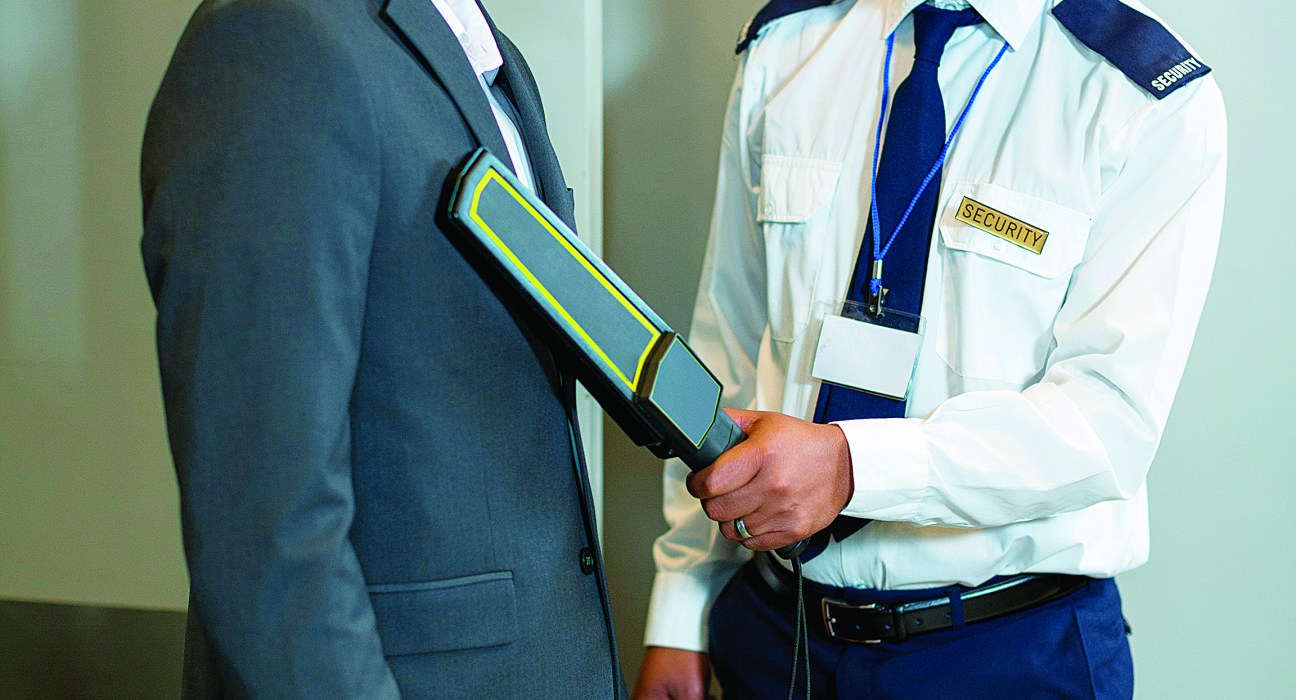
A group of US senators has introduced a bipartisan bill aimed at overhauling airport security infrastructure, as record levels of air travel continue to strain outdated checkpoint systems across the country.
The proposal, led by Republican senator Jerry Moran and backed by Democrats Chris Van Hollen and Michael Bennet, along with Republican John Boozman, would redirect money from the passenger security fee — currently USD 5.60 per ticket — towards new technology and checkpoint improvements. In 2023, the fee generated around USD 4.5bn, but lawmakers say more than USD 13bn collected since 2014 has been diverted to other areas of government spending.
Under the new legislation, USD 500m would be allocated annually to upgrade explosive detection systems, with a further USD 250m directed to modernise security checkpoints.
“Increased air travel, coupled with lack of investment in security checkpoints and ageing systems, has resulted in outdated screening technology and longer security lines,” said Moran. Passenger volumes reached record highs in 2024, and are projected to rise again this year.
The bill has drawn support from the airline industry. Airlines for America, a trade group representing major carriers including Delta, United and American, described the legislation as “common-sense”, and said it would ensure that security fees are used as originally intended — to enhance aviation safety and the passenger experience.
In a related move, the Transportation Security Administration (TSA) is preparing to drop the long-standing requirement for passengers to remove their shoes at airport checkpoints. Homeland Security secretary Kristi Noem said the agency is also reviewing liquid and gel restrictions, with a view to further streamlining the screening process.
If passed, the bill would mark the first major reinvestment of passenger security fees into frontline airport systems in over a decade. Lawmakers say the changes would help reduce bottlenecks, improve safety and bring the US in line with international best practice for aviation screening.