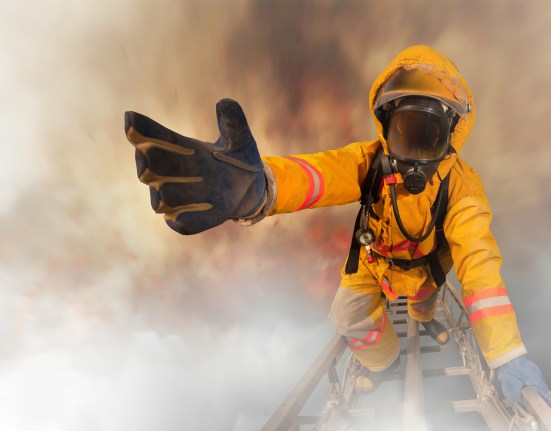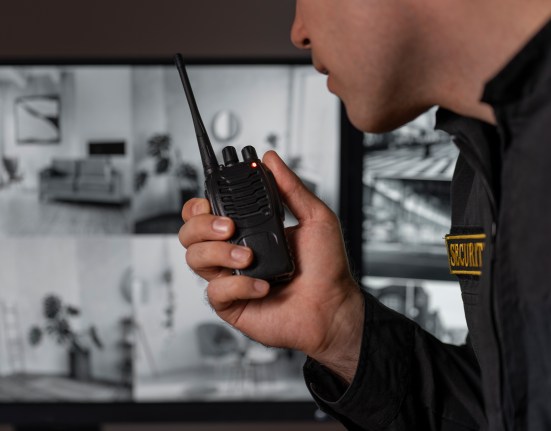
Human expertise has long been the backbone of physical security, where personnel patrol, monitor cameras, and react swiftly based on their experience and real-time observations
The integration of artificial intelligence (AI) into physical security systems presents both an exciting opportunity and a complex challenge. As organisations increasingly rely on technology to safeguard assets, personnel, and information, the need to strike a balance between advanced AI capabilities and traditional human-driven security practices has never been more critical. AI promises the ability to process vast amounts of data, identify patterns, and respond to potential threats with unprecedented speed and accuracy. However, this technological potential must be carefully managed to ensure the irreplaceable value of human intuition, judgement, and presence remains central to effective security operations.
Vital Role Of Human Judgement In Security Operations
Physical security has long depended on human expertise—security personnel who patrol facilities, monitor cameras, and make split-second decisions based on their observations and experience. These professionals bring a depth of understanding to security situations that technology alone cannot replicate. They can assess context, interpret subtle cues, and make nuanced decisions that consider a wide range of factors. In contrast, AI operates based on algorithms and data, providing objective analyses based on predefined parameters. While AI excels at tasks like monitoring surveillance footage for anomalies or analysing access control data for unusual patterns, it cannot understand the broader context of a situation or the intent behind human actions.
Harnessing AI For Predictive Threat Analysis
One of the most significant advantages of AI in physical security is its capacity for predictive analysis. By continuously analysing data from various sources—such as surveillance cameras, access control systems, and even social media—AI can identify potential threats before they materialise. For example, AI can recognise patterns of behaviour that may indicate a security breach, such as an individual repeatedly attempting to access restricted areas or lingering near sensitive locations for extended periods. These insights enable security teams to take proactive measures, potentially preventing incidents before they occur. However, the effectiveness of predictive analysis depends on the quality of the data and the sophistication of the algorithms. Moreover, the interpretation of these predictions should involve human oversight to avoid false positives or misinterpretations that could lead to unnecessary interventions.
The orchestration of surveillance systems is another area where AI is making a substantial impact. Modern security operations centres, such as Global Security Operations Centres (GSOCs), are often inundated with data from numerous cameras, sensors, and other monitoring devices. AI can help manage this deluge of information by filtering out irrelevant data, highlighting potential threats, and even automating certain responses. For example, if a camera detects unauthorised access, AI could trigger an alarm, lock doors, or notify security personnel instantly. This level of automation reduces the burden on human operators, allowing them to focus on more complex tasks that require critical thinking and decision-making.
However, as AI assumes a more prominent role in physical security, there is a risk that human operators might become overly reliant on technology, leading to complacency. The belief that AI is infallible can be dangerous, as it may cause security personnel to overlook important details or fail to question AI-generated alerts. To mitigate this risk, organisations must foster a culture where AI is viewed as a complementary tool rather than a replacement for human judgement. Training programmes should emphasise the importance of critical thinking and encourage security professionals to question and validate AI outputs. This balanced approach ensures that while AI enhances security capabilities, human operators remain actively engaged in the decision-making process.
Ethical implications of AI in physical security
The ethical implications of AI in physical security also warrant careful consideration. AI systems are only as effective as the data they are trained on, and if this data is biased or incomplete, the resulting decisions can be flawed. For example, if an AI system is trained primarily on data from a specific demographic, it may be less effective in identifying threats in a more diverse population. This bias could lead to unequal treatment, where certain groups are unfairly targeted or overlooked. To address these concerns, organisations must ensure their AI systems are developed and tested with diverse and representative data sets. Additionally, ongoing monitoring and auditing of AI systems are essential to identify and correct any biases that may emerge over time.
Another critical aspect of balancing AI with physical security is the need for transparency and accountability. When AI makes decisions that impact security operations, it is vital that these decisions can be understood and explained by human operators. This transparency is particularly important in scenarios where AI recommendations might conflict with human judgement. For example, if an AI system flags an individual as a potential threat based on their behaviour, but a security professional, after interacting with the individual, determines that no threat exists, the reasoning behind the AI’s decision should be clear. This clarity allows security teams to refine AI algorithms, improving their accuracy and reliability over time.
Evolution Of AI
As AI continues to evolve, its role in physical security will likely expand, leading to more sophisticated systems capable of handling increasingly complex tasks. For instance, future AI systems may be capable of integrating data from various sources—such as drones, wearable technology, and even biometrics—to provide a more comprehensive security picture. These advancements could enable AI to play a more proactive role in threat detection and response, potentially coordinating entire security operations with minimal human intervention. However, even as AI becomes more capable, the need for human oversight will remain. The unpredictable nature of human behaviour and the complexities of real-world security scenarios mean that AI will always require human collaboration to function effectively.
In the corporate security context, AI is already being used to enhance access control systems, manage visitor flows, and monitor employee activity. For example, AI-powered facial recognition systems can streamline the process of granting access to secure areas, reducing the risk of unauthorised entry. Additionally, AI can analyse patterns in employee behaviour to identify potential insider threats, such as unusual access requests or attempts to bypass security protocols. While these technologies offer significant benefits, they also raise privacy concerns. Employees and visitors may feel uncomfortable with the level of surveillance required to implement these systems effectively. To balance these concerns, organisations must implement AI in a way that respects privacy and complies with legal and ethical standards. Clear communication with employees about how AI is used and the safeguards in place can help alleviate concerns and build trust in the system.
The future Of Security Workforce
The integration of AI into physical security also has implications for the future of the security workforce. As AI automates routine tasks, security professionals may find their roles shifting towards more strategic and analytical functions. This shift could lead to new opportunities for career development, as security personnel are trained to work alongside AI and use it to enhance their effectiveness. However, there is also the potential for job displacement, particularly in roles heavily reliant on manual monitoring and data analysis. To address this challenge, organisations should invest in retraining and up-skilling programmes that prepare their security teams for the evolving landscape. By empowering security professionals to leverage AI in their work, organisations can ensure their teams remain relevant and effective in an increasingly automated world.
The key to successfully balancing physical security and AI lies in maintaining a clear focus on the human element. AI can greatly enhance security capabilities, but it is the combination of technology and human expertise that creates the most robust security posture. As organisations continue to explore the potential of AI in physical security, they must do so with an understanding of its limitations and a commitment to preserving the critical role of human judgement. By fostering a collaborative environment where AI and human operators work together, organisations can create a security framework that is both powerful and adaptable, capable of meeting the challenges of an ever-changing threat landscape.
The future of physical security will undoubtedly involve a more prominent role for AI, but this does not diminish the importance of human involvement. AI’s strengths—its ability to process data at scale, recognise patterns, and automate routine tasks—are invaluable tools that can enhance security operations. However, these strengths must be balanced with the unique capabilities that only humans can provide, such as context-driven decision-making, ethical considerations, and the ability to adapt to unforeseen circumstances. By striking this balance, organisations can create a security strategy that leverages the best of both worlds, ensuring they are well-equipped to protect their assets and people in an increasingly complex and interconnected world.