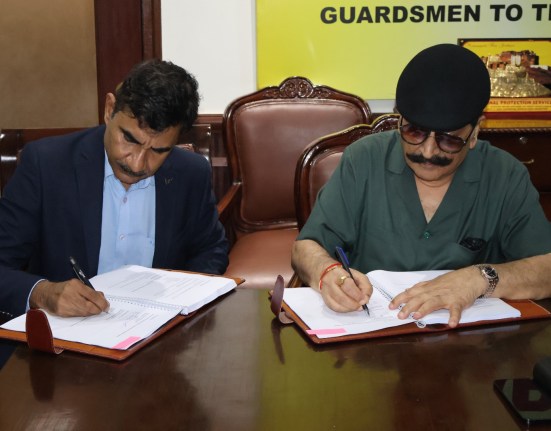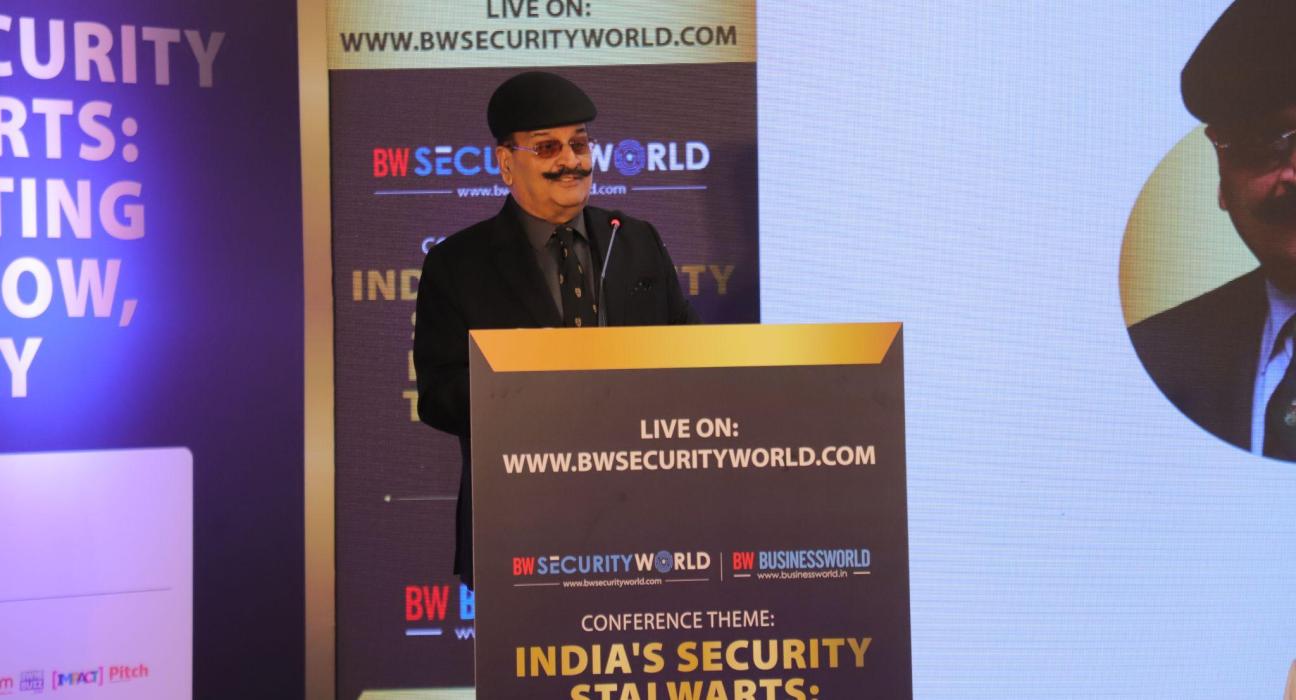
Kunwar Vikram Singh, Chairman, Capsi underscored the dynamic and evolving nature of security in India. From countering the early Naxalite threats to adapting to modern technological challenges
In a recent address, Kunwar Vikram Singh, Chairman of the Central Association of Private Security Industry (CAPSI), highlighted the pivotal moments in the history of security in India and the ongoing challenges faced by the industry. He traced the origins of organised security back to the 1970s, a decade marked by the rise of the Naxalite movement, which fundamentally altered the security landscape of the nation.
“The Naxalite movement started in Bengal and Punjab in 1970,” Singh recounted, describing it as a significant turning point. Prior to this period, security was limited to personal guards protecting individual spaces. However, the targeted killings of businessmen, money lenders, and landlords by Naxalites brought security into sharp focus as a major concern.
Singh shared a personal anecdote that exemplified the early response to these threats. “Colonel Ajit, who was then stationed in Chandigarh, expressed his fear of an imminent attack,” Singh said. “He asked me if there was something we could do to prevent this from happening.” In response, Singh gathered 30-40 soldiers to form a protective detail, marking his first contract in the security industry. This initiative represented the first engagement of military veterans in private security.
“The Naxalites had planned an attack, but we were prepared,” Singh explained. “The way we countered them with multiple rounds of firing into the air caught them off guard, and they fled. This was how we secured the Coca-Cola premises in India.” This event was a crucial “eureka moment” for Singh, as it demonstrated the potential for young ex-military personnel to enter and professionalise the security industry.
Despite these early successes, Singh noted that the industry has since faced significant challenges, particularly regarding compensation. “Corporates are doing cost-cutting and offering a meagre amount of Rs 500 per guard per day,” he stated, emphasising the need for courage, conviction, and reason to convince management of the importance of robust security infrastructure.
In addition to financial constraints, the industry is grappling with the need to adapt to emerging technologies such as cyber security, artificial intelligence, and drones. Veterans, according to Singh, have a critical role to play in this evolving landscape. “CAPSI is in talks with the Ministry of Home Affairs (MHA) and Rashtriya Raksha University (RRU) to integrate Agniveers into the security industry,” he announced. Agniveers, soldiers who have completed their tenure under the Agnipath scheme, are expected to bring valuable skills and discipline to the sector.
Singh elaborated on the future plans for these former soldiers: “We are discussing the ranks that will be offered to Agniveers who join the security industry. They could serve as assistant security managers, assistant security officers, and supervisors.” Furthermore, CAPSI is focusing on training these individuals in specialised sectors such as aviation, transport, the hotel industry, and hospitals to ensure they are well-prepared for their new roles.
Singh’s address underscored the dynamic and evolving nature of security in India. From countering the early Naxalite threats to adapting to modern technological challenges, the industry has continually evolved. As Singh concluded, the integration of skilled veterans and the adoption of new technologies will be crucial in maintaining a robust security infrastructure for the future.
By- Sheikh Rishad