India is set to become the third-largest aviation market in the world by 2024, with plans to operate 220 airports, the need for a seamless security setup is paramount
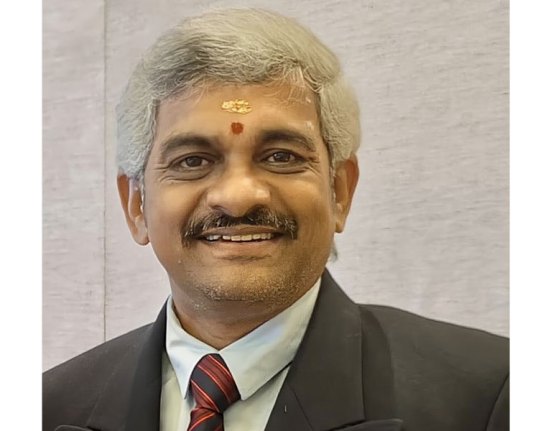
Brigadier Rajan Oberoi, Global Vice Chairman of Tenon Group, recently provided an insightful overview of the challenges and responses characterising aviation security in India. He emphasised that Indian aviation had a reasonably good safety record until 1971 when the first significant incident occurred, marking the beginning of a series of hijackings that highlighted vulnerabilities in the aviation sector.
On 30 January 1971, a domestic passenger flight en route from Srinagar to Jammu was hijacked and flown to Lahore. Although the passengers and crew were released, the plane was subsequently destroyed. This incident was the first of many, as Brigadier Oberoi noted, “There were 13 other hijackings in India over this period, involving Indian foreign militants and terrorists affiliated with insurgencies in Jammu and Kashmir and Punjab.”
The most notable hijacking was that of flight IC 814 on 24 December 1999, involving five Pakistan-based Harkat-ul-Mujahideen terrorists. The hijacking, which resulted in the release of the terrorist Masood Azhar and three others, underscored the ongoing threat of terrorism to aviation security.
Brigadier Oberoi identified terrorism as the most prominent threat to aviation security. He highlighted the tragic events of 11 September 2001 as a stark reminder of the catastrophic potential of coordinated terrorist attacks. In addition to terrorism, he pointed out the significant risks posed by insider threats. “Employees with access to sensitive areas and information pose a significant risk,” he said, noting that disgruntled employees or those coerced by external factors could exploit their insider knowledge to facilitate attacks.
The increasing digitisation of aviation systems has also introduced cyber security threats. Hackers can target flight control systems, communication networks, and passenger data, creating new vulnerabilities. Moreover, the proliferation of unmanned aerial vehicles or drones presents another challenge. “Drones can be used for surveillance, smuggling, or even as weapons to disrupt flight operations,” Brigadier Oberoi warned.
Chemical and biological threats, along with criminal activities, further complicate the security landscape. Ensuring aviation security and protecting against these multifaceted threats necessitates a comprehensive and collaborative approach.
In India, several key agencies play critical roles in this security apparatus. The Bureau of Civil Aviation Security (BCAS) is central to this effort, formulating policies, guidelines, and regulations to safeguard civil aviation against unlawful interference. “BCAS conducts security audits, inspections, and assessments to ensure compliance with security standards at airports and airlines,” Brigadier Oberoi explained. Initially set up in January 1978 as a cell within the Directorate General of Civil Aviation, BCAS was reorganised into an independent department in April 1987 following the Kanishka tragedy.
The Central Industrial Security Force (CISF) also plays a pivotal role, particularly in airport security. Post the Kandahar hijack incident on 24 December 1999, the CISF took charge of airport security under BCAS’s regulatory framework. CISF personnel conduct rigorous screening and surveillance, including passenger and baggage checks, perimeter security, and monitoring of airport premises.
The National Security Guard (NSG), an elite force, is trained to handle high-risk situations involving terrorist threats. “In hijacked scenarios, their expertise in hostage rescue and neutralising terrorists minimises collateral damage and ensures the safety of passengers and crew,” Brigadier Oberoi stated. The NSG’s advanced training in counterterrorism technologies and crisis negotiation makes them a crucial component of the national security apparatus.
As India is set to become the third-largest aviation market in the world by 2024, with plans to operate 220 airports, the need for a seamless security setup is paramount. The proposal for a unified security agency is currently under consideration by the Prime Minister’s Office. Brigadier Oberoi concluded, “Indian aviation security stands as a testament to collaborative efforts, technological advancements, and unwavering dedication to safeguarding air travel. The strength of our aviation security lies in the synergy among stakeholders.”
This multifaceted approach, involving collaboration among various agencies, technological advancements, and international cooperation, ensures that India remains vigilant and prepared to address emerging threats in aviation security.
-By Sheikh Rishad