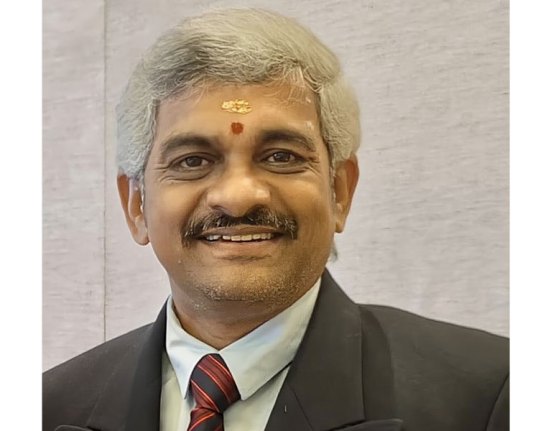
Balancing competing social and political ideologies, international diplomacy, military strategies, and geopolitical interests is crucial for formulating a meaningful NSD
The government is expected to protect its citizens from natural disasters and man-made crises through various measures, including diplomacy, military power, and maintaining a secure domestic environment. The primary aim of any national security doctrine (NSD) should be to ensure the well-being of the nation and its people. Despite this crucial role, India has yet to establish a comprehensive NSD.
In 1998, the National Security Council (NSC) was established as an apex advisory body on national security. It is headed by the Prime Minister and includes key ministers such as finance, defence, home, and external affairs. This formation was based on the recommendations of a task force led by KC Pant. However, despite its importance, the NSC has not documented the NSD to this day, leaving stakeholders without a clear mandate to develop strategies for tactical engagements. As a result, the NSD remains largely focused on military strategies and international relations diplomacy, lacking a comprehensive and documented framework.
In 2015, Shyam Saran, former chairman of the National Security Advisory Board, prepared a draft National Security Policy identifying five key areas for long-term planning: domestic security, external security, military preparedness, economic security, and ecological security. While a broad national consensus has emerged on diplomatic engagements and economic and ecological security issues, domestic security concerns remain mired in political rhetoric and electoral politics. It’s concerning that differences of opinion on sensitive defense matters are increasingly expressed in public and political discourse, highlighting the need for a documented NSD based on consensus more than ever before.
Balancing competing social and political ideologies, international diplomacy, military strategies, and geopolitical interests is crucial for formulating a meaningful NSD. Security experts with a conservative mindset argue that achieving consensus in a multi-party democracy like India is challenging and undesirable to discuss the NSD’s details publicly. This perspective may explain why policymakers have not yet crafted a comprehensive NSD, which remains a closed-door affair dominated by the ruling party.
Discussions on the NSD in India primarily focus on traditional international relations and military strategies, often overlooking internal security issues. However, the international community gauges a nation’s geopolitical significance largely based on its domestic security environment. Therefore, a robust internal security ecosystem is fundamental to a credible NSD and warrants constant attention.
One major threat to India’s peace and stability is illegal immigration through land and sea routes. Large numbers of Rohingyas and Bangladeshi migrants have settled in the foothills and lower Himalayan regions, often escaping effective interception by security forces. This has significantly altered the demography of these areas over the past few decades, posing serious security threats to domestic peace and social harmony. Disturbingly, there is no systematic effort to track these illegal settlers, leaving security agencies unaware of their exact numbers and locations.
India cannot afford to ignore early warning signals from European countries like France and England, where demographic shifts have occurred due to a lack of population control policies, resulting in natives becoming ethnic and cultural minorities in their homelands. Similar discomfort and helplessness are already evident in some parts of India. Therefore, maintaining demographic and socio-cultural stability through a clear population control policy is increasingly relevant in the NSD’s overall framework.
Drug abuse is another rampant issue in India, particularly in the North-East and border states of northern and western India. The anticipated demographic dividend is being undermined by unemployed youth turning to drugs due to a lack of effective state policy interventions.
Fundamentalists and radical elements, who exploit religious misinterpretations and conversions through financial inducements under the guise of religious freedom, require strict sanctions. Discriminatory and derogatory religious practices that affect domestic security must be addressed through internal religious reforms or appropriate legal measures.
Half of India’s land is prone to annual flooding, while many regions face severe drinking water shortages during summer. Aquifers have been depleted due to a lack of water harvesting initiatives, leading to a declining water table each year. Water shortages pose a significant existential threat worldwide, making water resource management a critical concern for national security stakeholders.
Social issues that trigger mass movements, such as those occurring in Bangladesh over reservation and unemployment, should not be ignored, as India faces similar challenges. Such issues can spread quickly and exacerbate domestic unrest.
In light of these challenges, policymakers must undergo a paradigm shift in their approach, expanding the scope of the NSD and moving beyond traditional stereotypes. A strong national security structure can only be built on a foundation of robust homeland security, emphasizing the need for a comprehensive and well-documented national security doctrine.