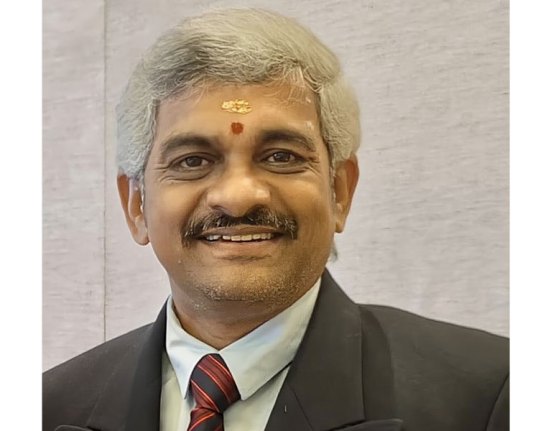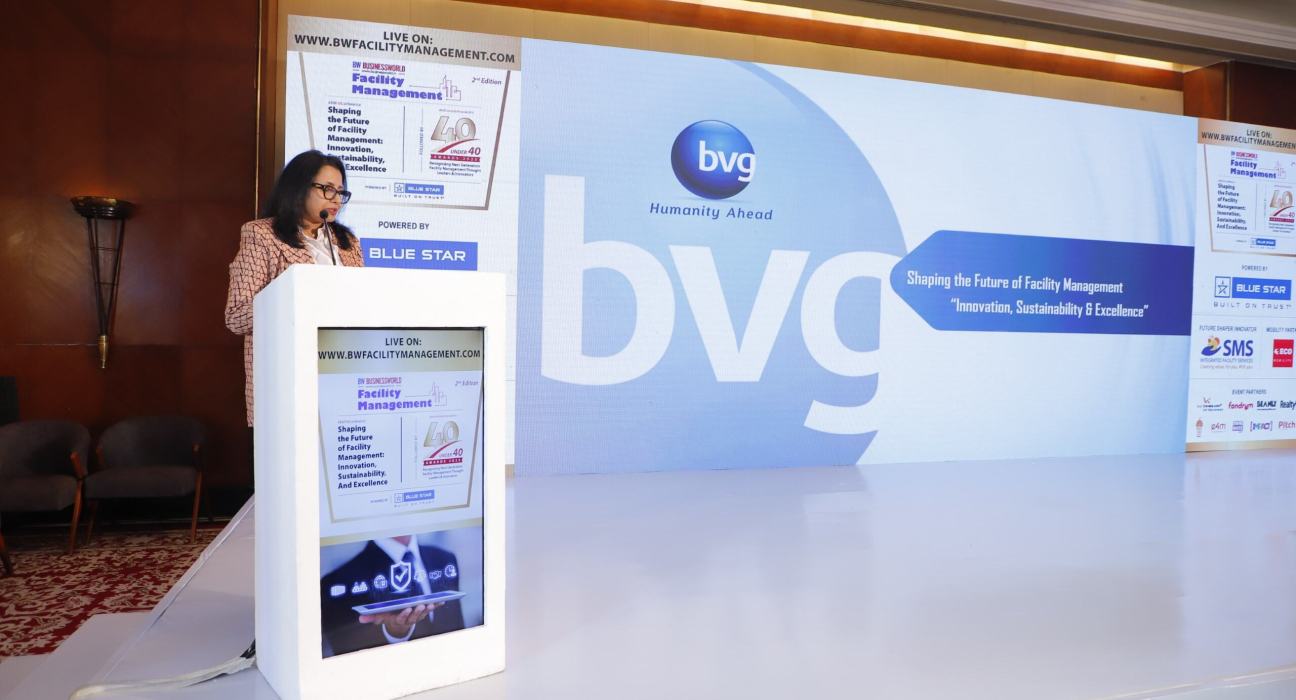
Rupal Sinha spotlighted how the industry must evolve at the intersection of innovation, sustainability and operational excellence
Highlighting how technological innovation is driving change with a focus on sustainability and smarter solutions, Rupal Sinha, President of BVG India, emphasised the critical need to integrate environmental and social responsibility into core business practices. She positioned the facility management (FM) sector as pivotal in shaping efficient, sustainable environments for the future.
Speaking at the BW Facility Management 40 Under 40 Awards 2025, Sinha called for a shift in FM from reactive to proactive approaches, underlining the importance of smart, sustainable, and human-centric environments.
“The old model of FM does not hold true at all,” she said, pointing to rapid advances in urbanisation, digital transformation, and climate change as major drivers of change.
She stressed the need for strategic alignment between organisational goals and FM initiatives, noting that technology is now deeply embedded in operations.
“Technology is not on the runway; it has already landed. Digital twins, sensors, and AI-driven predictive maintenance are now operating language,” she explained, citing global benchmarks such as Microsoft’s Redmond campus and India’s growing adoption of smart infrastructure.
Sinha asserted that sustainability is now “a mandate”, not an option. With buildings accounting for 40% of global greenhouse gas emissions, she highlighted FM’s role in achieving carbon neutrality through energy efficiency, waste reduction, and water management.
“By 2040, the target is to reduce carbon emissions by 60%,” she said.
She also underscored the value of circular economy practices in facility operations—from recycling construction waste to eliminating single-use plastics in hospitality sectors.
“We are recycling water up to seven times, treating plastic waste, and supporting lake restoration,” she added.
-By Vishal Katoch