Experts underline how physical security is transforming from a reactive safeguard to a proactive, technology-driven pillar of organisational resilience
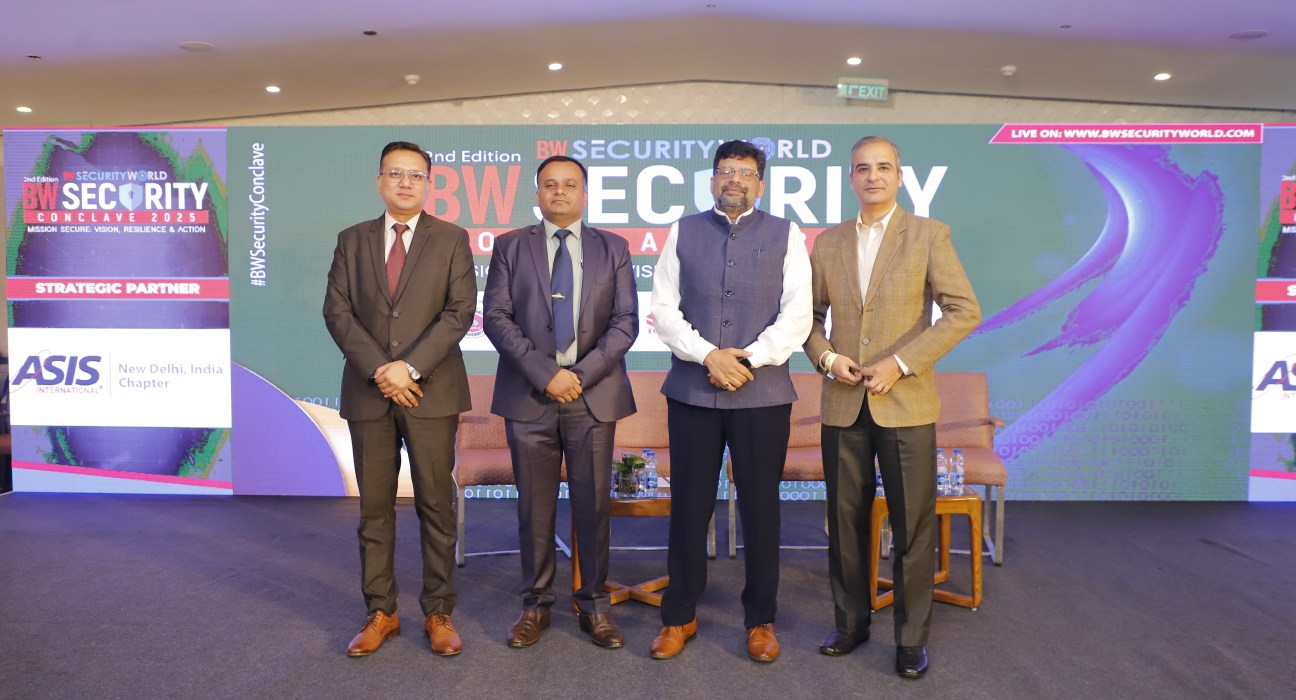
At the panel discussion on “From Shadows to Spotlight: The Evolution of Physical Security,” chaired by Shakti Rana, Head Personnel Security (Global), Nokia, industry leaders highlighted how the role of physical security has evolved from a background function to a strategic enabler of business continuity, resilience, and trust.
Opening the session, Col Rana shared an incident that illustrated the silent yet crucial role of security teams. A late-night server room alarm, promptly addressed by an alert security officer, prevented a potential IT system failure. “True security doesn’t always make headlines—it prevents them,” he said, setting the tone for the conversation on proactive intelligence in modern security frameworks.
Pushkar Gokhale, EVP & Business Head, Godrej Security Solutions, noted that the perception of physical security has undergone a paradigm shift. “It’s no longer limited to guards, gates, and cameras. Today, it integrates technology, analytics, and human intelligence to protect not just infrastructure but also reputation and trust. Security is now viewed as a business enabler rather than a cost centre,” he said.
Gokhale highlighted how the industry has moved from person-led to technology-led systems. “Earlier, guarding and systems teams operated in silos. Now, technology acts as a force multiplier, complementing human capability. AI and regulatory changes have redefined security across sectors. For instance, AI-enabled safes equipped with sensors, alarms, and fogging devices can respond autonomously during a breach,” he explained.
Rajiv Kumar Jha, In-Charge of Security, Engineers India Limited, traced this evolution to significant turning points. “The 26/11 attacks transformed India’s approach to security. We shifted from reacting to incidents to anticipating risks through integrated technologies and strategic risk management,” he observed.
Saurabh Bareja, Director–Global Physical Security, Concentrix, focused on the convergence of physical and cyber security. “The two must operate hand-in-hand. Access control and surveillance systems now run on enterprise networks. If left unpatched, they can expose organisations to cyber risks. Strong integration ensures resilience and continuity,” he said.
Bareja also pointed to how hybrid work models are reshaping access control. “With organisations moving to smaller, flexible workspaces, adaptive, AI-powered systems are essential to balance convenience, privacy, and security,” he added.
The panel collectively agreed that the future of physical security lies in collaboration—between human vigilance and intelligent systems, and between physical and cyber domains. Beyond technology, empowering personnel and fostering awareness are equally critical for building secure organisations.
Summing up, Col Rana said, “Security professionals are no longer silent protectors in the background. They are strategic partners driving resilience, business continuity, and trust in an increasingly complex world.”