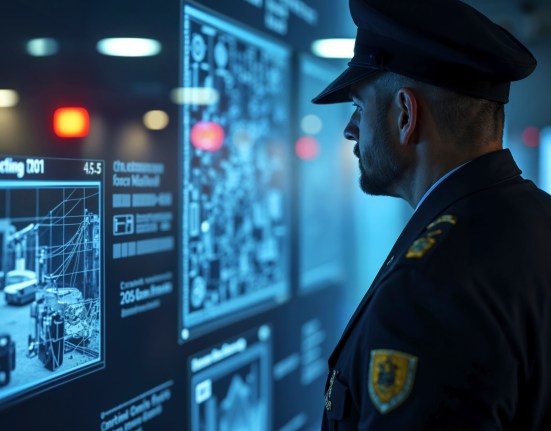
For law enforcement agencies, in-car video systems have become indispensable tools
In-car and mobile video surveillance systems are transforming the way security operations are managed, offering enhanced situational awareness, faster response times, and improved investigative capabilities. These technologies are making significant strides in law enforcement and corporate security, thanks to rapid advancements in high-definition cameras, artificial intelligence (AI), and cloud-based platforms.
Boosting Law Enforcement Efficiency
For law enforcement agencies, in-car video systems have become indispensable tools. High-definition cameras installed in patrol vehicles record traffic stops, pursuits, and crime scenes, providing critical evidence for investigations and court proceedings. These systems also improve road safety by capturing reckless driving, identifying hit-and-run offenders, and assisting in accident investigations.
Moreover, these tools enhance accountability by recording interactions with the public, offering evidence in cases of alleged misconduct or use-of-force incidents. “These systems provide law enforcement with an essential layer of protection,” says Jay Jason Bartlett, CEO of Cozaint Corporation.
Expanding Corporate Applications
The use of in-car and mobile surveillance is not limited to public safety. Many corporate entities, especially those managing large fleets, are adopting these systems to enhance driver safety and monitor operations. In-car cameras track driving behaviour, document accidents, and ensure the safe delivery of goods. Mobile units equipped with cameras are used to secure remote locations, deter crime, and enable swift responses to security breaches.
Cloud-based platforms further enhance efficiency, allowing organisations to monitor and manage multiple vehicles and locations in real time. Remote access to video footage, real-time alerts, and data analysis have become integral to modern security protocols.
Advanced Technology Driving Change
Technological advancements are at the heart of these systems’ effectiveness. License Plate Recognition (LPR) technology allows for real-time vehicle identification, enabling applications such as locating stolen vehicles, managing toll payments, and enforcing traffic laws.
AI and machine learning have elevated video analytics, with algorithms capable of detecting suspicious activities such as loitering or abandoned objects. They also enable facial and object recognition, streamlining the identification of individuals and assets.
Predictive capabilities powered by AI can analyse historical data to anticipate potential risks, enhancing preventative security measures. These advancements are bolstered by high-definition imaging, which provides greater clarity for identifying people, vehicles, and objects.
Addressing Challenges
Despite their advantages, these systems raise concerns around privacy and data security. Sensitive video data requires robust encryption and stringent security measures to prevent breaches and unauthorised access. Balancing security needs with individual privacy rights calls for clear regulations and ethical guidelines.
Additionally, integrating these systems with existing security technologies, such as alarm and access control systems, can further strengthen organisational security frameworks.
Transforming Security Landscapes
The adoption of in-car and mobile surveillance systems is reshaping security practices across sectors. By leveraging cutting-edge technology like AI, LPR, and cloud platforms, organisations can bolster operational efficiency and enhance safety. However, the ethical use of these technologies remains critical to their success in creating a secure environment.
As Bartlett emphasises, these systems must be implemented with a focus on both innovation and responsibility to maximise their potential while addressing privacy and ethical concerns.